
Discover Smart
The Home Doctor Book Review for Prepared Families
There is a special kind of stress that hits when something feels off at home and you realize how fast confidence can disappear. Maybe it is a sudden cut in the kitchen, a scary symptom late at night, or that quiet fear of wondering what happens if the power goes out, the pharmacy closes, or help takes longer than expected.
If you have been searching for The Home Doctor book, chances are you are not just shopping for “another book.” You are looking for reassurance. You want something that helps you feel a little less helpless, a little more prepared, and a lot less dependent on panic when normal medical care is not instantly available.
That feeling is more common than people admit. A lot of adults, especially parents, caregivers, rural households, preparedness-minded families, and older adults, quietly carry the same concern: “What if something happens here at home, and I need to act before outside help arrives?”
Quick answer: The Home Doctor book may be a practical option for people who want a home medical reference guide that supports everyday preparedness, family self-reliance, and basic emergency readiness. It makes the most sense when used as part of a broader home preparedness plan, not as a replacement for emergency services or professional medical care.
Why The Home Doctor book feels so relevant right now
Most people do not think seriously about medical care at home until life forces the issue. It might be a storm warning, a blackout, a long wait at urgent care, a parent living alone, or the realization that your household depends on systems that are not always as reliable as they used to feel.
That is why interest in a home medical reference guide, a family medical guide, or an emergency preparedness book keeps growing. People want to be better prepared for common, stressful situations without turning every small problem into a full-blown spiral. They want practical knowledge, not fear. They want calm, not chaos.
And honestly, that makes sense. The American Red Cross recommends keeping emergency supplies ready at home, including medications, medical items, personal records, and a first aid kit. MedlinePlus also notes that a basic first aid kit should include a first-aid guide so you know how to use the items you already have how to build a home first aid kit and emergency preparedness checklist for families
The real problem is not just emergencies. It is uncertainty.
The hardest part of basic home medical care is often not the situation itself. It is the mental freeze that comes with it. When someone you love is uncomfortable, injured, feverish, dizzy, or suddenly acting “not quite right,” your mind starts racing. You second-guess everything. Is this minor? Is it urgent? Do I watch and wait? Do I call? Am I overreacting? Am I underreacting?
That uncertainty can drain your confidence even when the issue turns out to be manageable. It can make people feel dependent, anxious, and unprepared in their own home. For caregivers and older adults especially, that emotional burden is real.
To be clear, serious symptoms still require professional help. For example, the American Stroke Association says to remember B.E. F.A.S.T. warning signs and call 911 immediately if they appear, and the American Heart Association stresses that chest discomfort, shortness of breath, or pain spreading to the jaw, back, arms, or stomach should never be brushed off. Signs you should never ignore at home and practical self-reliance tips for beginners.
Common mistakes people make when trying to prepare
- They buy supplies without guidance. A drawer full of bandages and random items does not automatically create readiness.
- They rely on memory in stressful moments. Most people do not perform well when they are anxious and rushing.
- They wait until an emergency happens first. Preparation always feels optional until it suddenly feels urgent.
- They confuse “home support” with “replacement care.” The goal of a household medical guide is to support better decisions, not replace trained emergency services.
- They do not build a system. A good household medical guide works best alongside a stocked kit, emergency contacts, medication lists, and a clear family plan.
Helpful non-product tips first
Before you buy any home treatment guide or emergency medical guide, it helps to tighten up your basics. This is the unglamorous part, but it is also the part that makes everything else more useful.
Start with these simple preparedness moves
- Create or refresh a basic first aid kit.
- Keep a current list of medications, allergies, and emergency contacts.
- Store extra batteries, flashlights, chargers, and clean water supplies.
- Make sure everyone in the house knows where core supplies are kept.
- Save reputable emergency references for symptoms you never want to misread, especially stroke and heart attack warning signs.
The Red Cross recommends water, food, batteries, flashlights, medications, first aid items, and copies of personal medical information as part of a home emergency setup. MedlinePlus also emphasizes that first aid is the immediate care you give before medical help arrives and recommends keeping a first-aid guide in the kit itself off-grid health and safety essentials and caregiver emergency planning guide.
Once those basics are in place, a good home health reference book can become much more valuable because it fits into a real system rather than sitting on a shelf as a “maybe someday” purchase.
What to look for before buying a home medical reference guide
If you are comparing options in the home doctor guidebook or survival medicine book category, here is what usually matters most in real life:
- Clarity under stress: Can you quickly find what you need when emotions are high?
- Practical focus: Does it feel useful for everyday households, not just experts?
- Preparedness value: Is it relevant for outages, delays, rural living, or off-grid concerns?
- Family use: Would a spouse, parent, or caregiver actually use it?
- Trust and balance: Does it encourage practical action while still respecting when outside medical care is needed?
This is where many people start seeing the appeal of a resource like The Home Doctor handbook. It sits at the intersection of practical medicine for every household, emergency awareness, and self-reliance. If that sounds like what you need, it becomes a much easier product to evaluate.
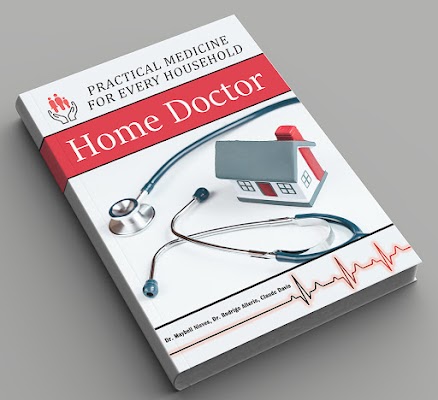
Recommended product: The Home Doctor book


Why this one stands out
The Home Doctor book feels especially relevant for readers who want a home medicine guide that aligns with preparedness, self-reliance, and family peace of mind. Instead of sounding like a trendy wellness buy, it fits a very real concern: knowing what to do when everyday health uncertainty meets limited access, stress, or delay.
Key features and benefits
- Positioned around basic medical care at home and household preparedness
- Appeals to readers interested in medical preparedness, family emergency preparedness, and self-reliance
- Relevant for caregivers, older adults, rural households, homesteaders, and off-grid lifestyles
- A practical option for people building a home emergency supplies and reference system
- Fits naturally into a preparedness library alongside first aid supplies and emergency planning
Best for
People who want one resource that supports a more prepared household mindset, especially if they worry about storms, outages, delayed appointments, rural distance, caregiving responsibilities, or simply not feeling confident in stressful moments.
Trust-building note: This is best viewed as a preparedness resource, not a substitute for emergency services, diagnosis, or medical treatment.
Who The Home Doctor book may be best for
Who The Home Doctor book may be best for
A lot of products in the preparedness space sound exciting but end up being too extreme, too generic, or too disconnected from everyday life. This one feels more approachable for people whose main goal is not “survival theater,” but calmer, more capable living.
- Parents and families: Worth checking if your main goal is feeling less overwhelmed when common household health issues pop up.
- Caregivers: A solid pick for people who want more confidence supporting a spouse, aging parent, or loved one.
- Older adults: Useful for those who prefer having a home health reference book on hand instead of relying on rushed online searching.
- Preppers and survival-minded readers: This can be a practical option if you are building a broader emergency survival preparedness library.
- Rural, remote, and off-grid households: Especially relevant if quick access to hospitals, pharmacies, or urgent care is not always realistic.
How this kind of guide can affect everyday life
A good home treatment manual is not just about what happens during a worst-case scenario. It can also change everyday life in quieter ways. It may help reduce the emotional load of uncertainty. It can make a household feel more organized. It can encourage better planning, better conversations, and a stronger sense that you are not starting from zero when something unexpected happens.
For many people, that emotional shift is the biggest benefit. Not perfection. Not pretending to be a doctor. Just feeling more steady, more thoughtful, and less reactive.
If that sounds like the kind of relief you want, The Home Doctor medical book is easy to understand as a preparedness purchase rather than an impulse buy. It speaks to a real-life fear people already have and turns that fear into something more practical.
A few important reminders for responsible home preparedness
Even the best family first aid book or medical survival guide should be part of a balanced approach. It helps to remember a few things:
- Use home preparedness resources to support calm decisions, not to ignore serious symptoms.
- Keep emergency numbers visible and easy to access.
- Review major warning signs that should never be delayed, especially stroke and heart attack symptoms.
- Refresh your first aid kit and medication list regularly.
- Consider a CPR or first aid course if you want hands-on confidence in addition to a written guide.
MedlinePlus recommends first aid training for practical skill-building, while national heart and stroke organizations stress fast action when serious symptoms appear.
If you are still on the fence, ask yourself this
Are you buying this because you are curious, or because you genuinely want your household to feel more prepared?
If it is the second one, then this is exactly where a resource like The Home Doctor guide starts to make sense. It is not about fear-mongering. It is about reducing that awful feeling of not knowing where to start.
And for a lot of readers, that alone makes it worth checking if your main goal is practical readiness and peace of mind.
Final thoughts on The Home Doctor book
The truth is, most people are not trying to become medical experts. They just want to feel less vulnerable in everyday life. They want a home health guide that supports their family, fits their preparedness mindset, and helps them feel more grounded when the unexpected happens.
That is why The Home Doctor book can be a practical option for the right reader. It fits people who value emergency medical preparedness, self sufficient healthcare, and a more confident home setup without making wild promises.
If you have been wanting a home medical reference book that feels aligned with real-life worries instead of generic advice, this one stands out for that reason.
If that sounds like what you need, take a closer look and decide whether The Home Doctor book belongs in your home preparedness plan.
FAQ: The Home Doctor Book
Is The Home Doctor book worth it for beginners?
It may be worth considering for beginners who want a more preparedness-focused home medical care reference without diving into overly technical material. It is especially appealing for readers who want more confidence at home, not just more information.
Can a home medical reference guide replace a doctor?
No. A home medical reference guide can support better preparedness and more informed decisions, but it should not replace professional medical care, diagnosis, or emergency services. For life-threatening symptoms, call 911 right away.
What should I look for before buying a home treatment guide?
Look for clarity, practical usefulness, household relevance, and alignment with your real needs. If your goal is family emergency preparedness, rural readiness, or a stronger self-reliance setup, choose a guide that feels easy to use under stress and fits into your first aid planning.
Who is The Home Doctor book best for?
It may be a solid fit for parents, caregivers, older adults, preppers, homesteaders, and rural or off-grid households who want a more practical home first aid guide and preparedness-oriented reference.
How should I use The Home Doctor book at home?
The best approach is to use it as part of a complete setup: keep it with your first aid supplies, medication list, emergency contacts, and household preparedness kit. That way, it supports your routine instead of becoming something you only remember after stress has already started.